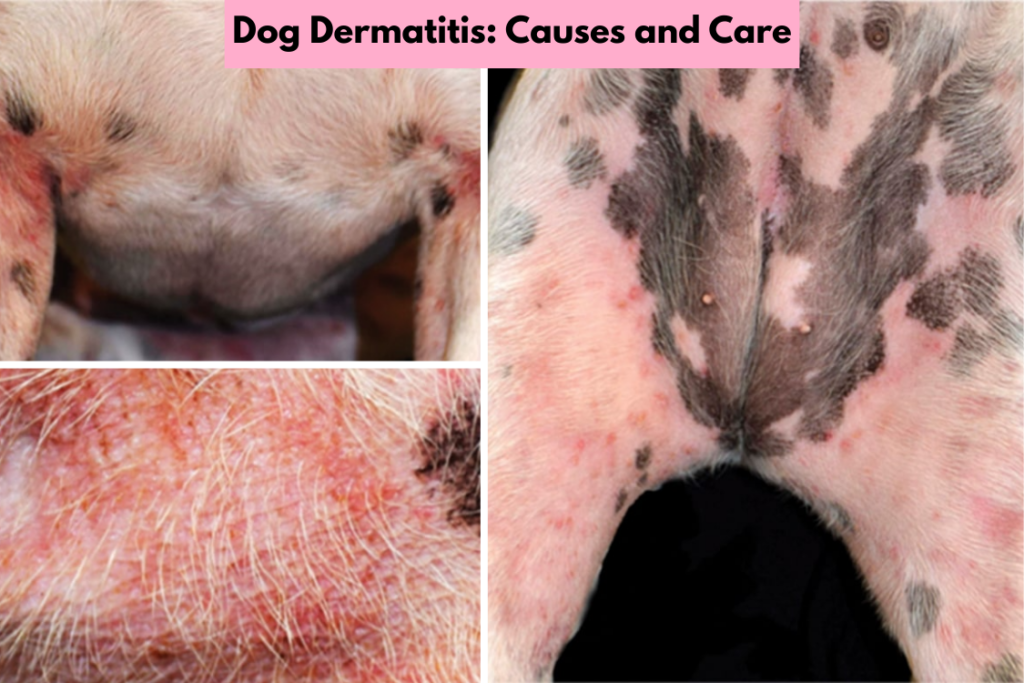
Dogs communicate a lot through their skin and coat health. If your furry companion is scratching excessively, licking their paws non-stop, or developing irritated patches of skin, they might be dealing with dermatitis. Understanding the causes, signs, and treatment options can make a world of difference for your pet’s comfort and well-being. Let’s dive deep into what you need to know about canine dermatitis.
What Is Dog Dermatitis?

Dermatitis simply means inflammation of the skin. It’s not a single disease but rather a symptom that can result from various underlying issues. It can be acute (short-term) or chronic (long-term), affecting dogs of all breeds, sizes, and ages.
Types of dermatitis in dogs include:
- Atopic Dermatitis: Allergy-related skin inflammation
- Contact Dermatitis: Reaction to a specific irritant (like a new shampoo or grass)
- Parasitic Dermatitis: Caused by fleas, mites, or ticks
- Fungal or Bacterial Dermatitis: Infections leading to skin inflammation
Identifying the type is key to successful treatment and long-term management.
Common Causes of Dog Dermatitis

Dog dermatitis often stems from a few common culprits:
- Allergies: Food allergies (like beef, chicken, dairy), environmental allergens (pollen, mold, dust mites), or seasonal allergies
- Parasites: Fleas, ticks, lice, and mites (such as mange mites)
- Infections: Yeast or bacterial infections that exploit damaged skin
- Environmental Factors: Harsh shampoos, household cleaners, pesticides, or even certain fabrics
- Genetic Predispositions: Breeds like Bulldogs, Golden Retrievers, and Westies are more prone to skin issues
- Hormonal Imbalances: Thyroid problems or Cushing’s disease can lead to skin problems
Sometimes, multiple factors interact, making it harder to pinpoint the exact cause without a vet’s help.
Recognizing the Signs of Dermatitis
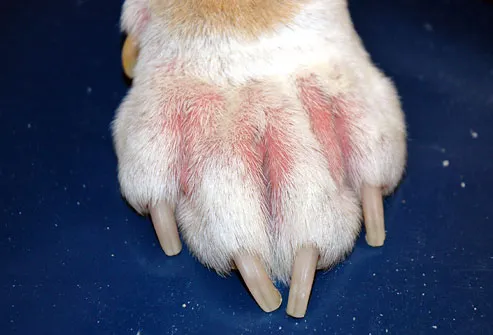
Catch dermatitis early by looking for these warning signs:
- Persistent scratching, licking, or biting at the skin
- Redness, swelling, or inflammation
- Scabs, hot spots, or open sores
- Hair loss or thinning fur
- Dry, flaky or greasy patches
- Strong odor from the skin
- Changes in behavior (irritability, depression due to discomfort)
Severe cases can lead to secondary infections, which complicate treatment and prolong recovery time.
Diagnosing Dermatitis in Dogs

If you suspect your dog has dermatitis, visiting the vet is crucial. Here’s what to expect during the diagnostic process:
- Physical Examination: Visual and tactile inspection of the skin and coat
- Allergy Testing: Blood tests or intradermal skin testing
- Skin Scraping: To check for parasites or infections
- Culture Tests: Identify bacterial or fungal infections
- Diet Elimination Trials: For suspected food allergies
A thorough diagnosis ensures the treatment plan actually targets the root cause, not just the symptoms.
Treatment Options for Dog Dermatitis

Treatment depends on the underlying cause but may include:
- Medicated Shampoos and Topical Treatments: Anti-fungal, anti-bacterial, or anti-itch formulas (like DOUXO® S3 PYO) – You can also find more recommended shampoos in this guide: Top 6 Dog Shampoos.
- Oral Medications: Antibiotics, antifungals, corticosteroids, or antihistamines
- Flea and Tick Control: Regular preventive treatments like NexGard or Frontline
- Dietary Changes: Switching to hypoallergenic diets foods or limited ingredient foods
- Supplements: Omega-3 fatty acids, probiotics, and skin-supporting vitamins
- Environmental Management: Air purifiers, frequent cleaning, allergen control
In chronic or severe cases, immunotherapy (allergy shots) may be recommended to desensitize your dog to allergens over time.
Since treating dermatitis often involves medications, special diets, and frequent vet care, having pet insurance can make a big difference in managing both your dog’s health and your budget. Always check pet insurance comparison options to find a plan that helps cover skin conditions and ongoing treatments without breaking the bank.
Preventing Dermatitis in Dogs

While not all cases of dermatitis are preventable, you can reduce your dog’s risk by:
- Regular Grooming: Keep your dog clean and dry, using dog-friendly products
- Routine Parasite Control: Year-round flea and tick preventatives
- Balanced Diet: High-quality dog food rich in omega fatty acids
- Environmental Awareness: Avoid known allergens and use pet-safe cleaning products
- Regular Vet Checkups: Early detection of underlying health issues and if you don’t believe it check out : 5 Important Reasons to Take Your Dog to the Vet Regularly
Prevention is about creating a lifestyle that supports healthy skin from the inside out.
Helping Your Dog Live Comfortably in Their Skin

Dermatitis may be common, but that doesn’t mean your dog has to suffer. By understanding the causes, recognizing the signs early, and taking decisive action, you can dramatically improve your pet’s quality of life.
Every scratch, every lick, every patch of irritated skin is your dog’s way of asking for help—and now, you have the knowledge to answer. If you ever feel overwhelmed, don’t hesitate to reach out to your veterinarian. Together, you can develop a personalized plan that restores your dog’s skin, health, and happiness.
Remember: Healthy skin, happy dog, happy life.